
OUR HISTORY: THE STORY BEHIND THE BLUE ROOM
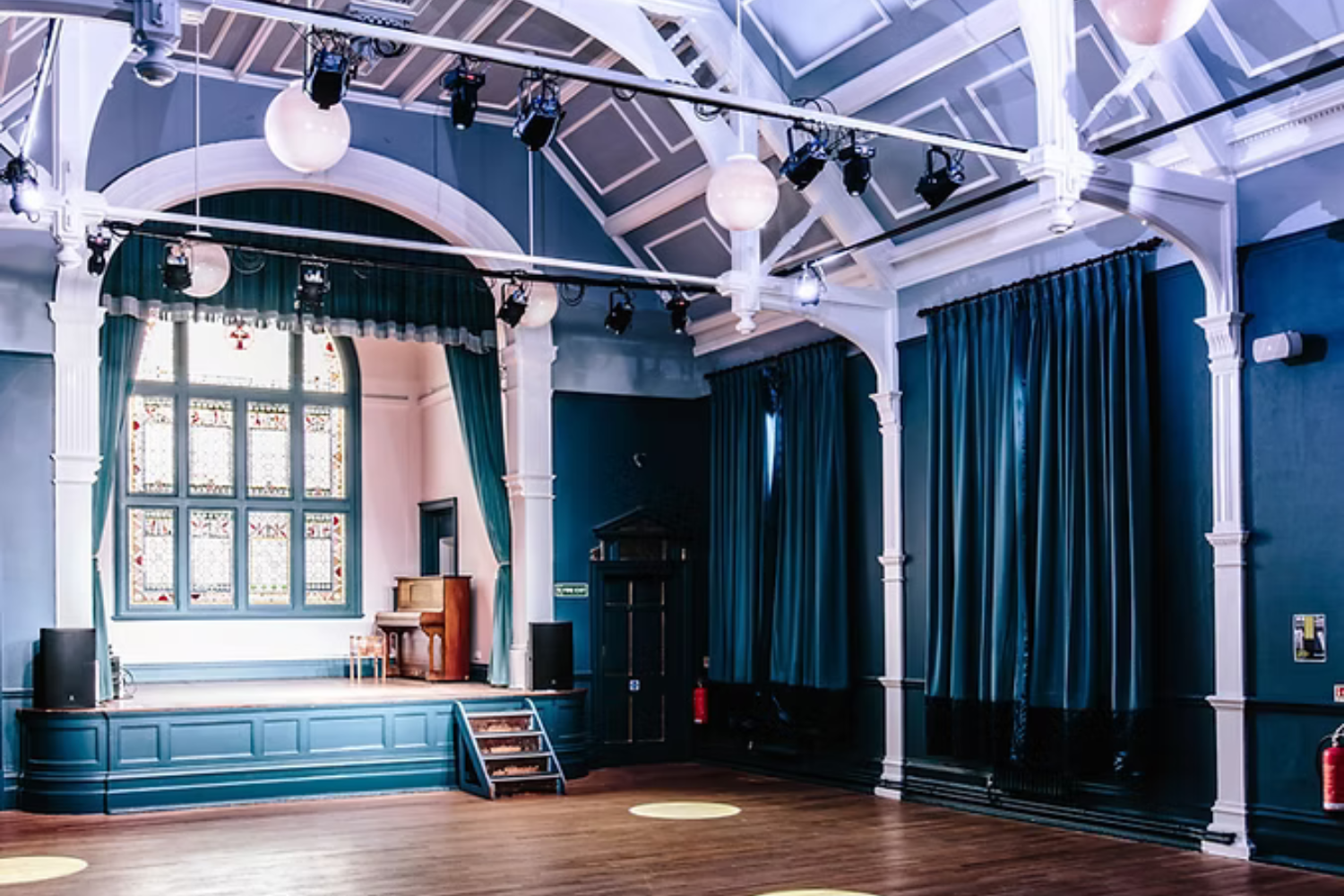
Welcome to The Blue Room—a unique, intimate theatre space where Lincoln’s rich heritage meets modern performing arts. Long before the spotlights were turned on, our walls were already making history. Nestled within The Lawn, an iconic early 19th-century Greek Revival complex, our venue stands as a monument to radical empathy, innovation, and community transformation.
From Pioneering Care to Creative Expression
The story of our space begins in April 1820, when the grand building opened its doors as the Lincoln Lunatic Asylum. While that name sounds harsh to modern ears, the building was actually the birthplace of a national medical revolution.
In the 1830s, Dr. Robert Gardiner Hill and Edward Parker Charlesworth used these very grounds to pioneer something unheard of at the time: the total removal of mechanical restraints for mental health patients. By 1838, they achieved a completely restraint-free environment. This approach shook the medical world and was soon adopted across the country, fundamentally changing how society treats mental health.
That spirit of breaking boundaries continued into the 20th century. From 1928 to 1933, the hospital was led by Dr. Mary Barkas, a highly respected and one of the country's first prominent female psychiatrists.
A Timeline of Our Home
Through the decades, the complex evolved to meet the changing needs of the community, shifting from a private hospital to joining the NHS, before eventually opening its doors to the public.
A New Act: Entering the Spotlight
In 2016, local heritage coffee roasters R. W. Stokes & Sons purchased The Lawn complex, moving their business headquarters here and breathing vibrant new life into the historic site. Alongside their café, they recognized the incredible potential of our specific space, dedicating it to the local arts scene.
Today, The Blue Room honours the building's 200-year legacy of human connection. What was once a place for healing has transformed into a place for storytelling, laughter, and the arts. When you sit in our audience, you aren't just watching a show, you are sharing a space that has always been dedicated to the extraordinary power of the human spirit.